 Image 1 of 2
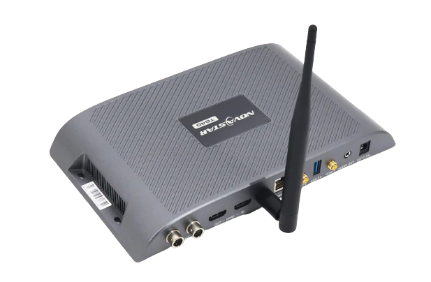 Image 2 of 2
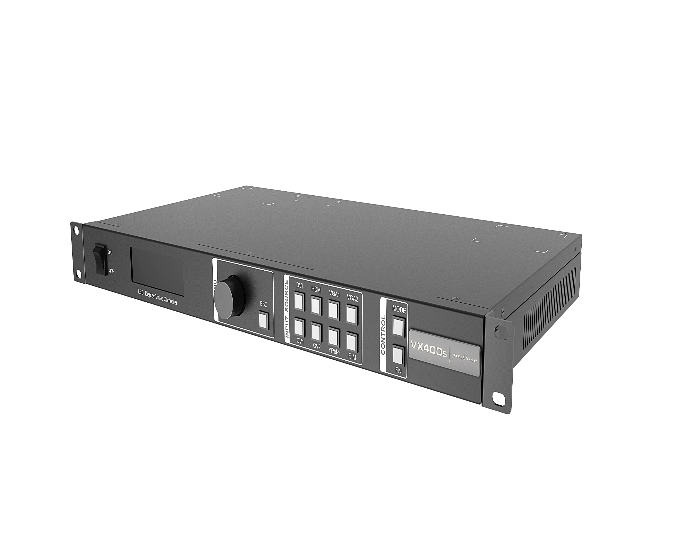
Professional LED control systems and video processors that deliver smooth content management and reliable display performance
Precision signal processing: High-performance video processors support multiple input formats and resolutions, upscale and downscale content without artifacts, and maintain consistent color and gamma mapping across the entire display surface. Hardware-accelerated scaling and deinterlacing ensure low-latency, high-quality output for live events, broadcast, and corporate installations.
Robust content management: Intuitive CMS platforms provide drag-and-drop scheduling, multi-zone layout control, and playlist automation. Centralized asset libraries, versioning, and user role permissions simplify workflow for marketing teams, AV integrators, and event producers. Cloud-based options offer remote upload, preview, and scheduling for distributed networks of displays.
Synchronized multi-screen playback: Frame-accurate synchronization over wired or wireless networks enables seamless video walls and multi-display arrays. Timecode or network-based sync modes prevent tearing and misalignment in synchronized playback, LED mapping, and pixel-level calibration across modules.
Redundancy and reliability: Redundant input paths, failover processors, and hot-swappable components minimize downtime. Built-in diagnostics, health monitoring, and event logging allow technicians to identify and resolve issues proactively. Industrial-grade power supplies and thermal management extend lifespan in demanding indoor and outdoor environments.
Flexible connectivity: Wide support for HDMI, DisplayPort, 3G/6G/12G‑SDI, DVI, and IP streaming inputs ensures compatibility with cameras, switchers, media servers, and computing platforms. Output options include multiple synchronized video outputs, fiber interfaces for long runs, and pixel-mapped network protocols for LED cabinets.
Fine-grain color and calibration controls: 3D LUTs, per-panel brightness and color adjustment, gamma presets, and HDR workflows produce accurate, consistent images across panels and viewing conditions. Calibration tools and automatic uniformity correction simplify setup and preserve color fidelity over time.
Low-latency and real-time control: Deterministic processing pipelines and GPU-accelerated paths deliver minimal latency for interactive installations, live production, and AV-over-IP applications. Real-time overlays, alpha channels, and input switching keep transitions smooth and professional.
Scalable architecture: Modular processors scale from single-screen installations to large distributed networks. Central management consoles, edge processors, and hierarchical control models support campus-wide or multi-venue deployments with consistent configuration and monitoring.
Security and access control: Secure firmware, authenticated remote access, and encrypted content transfer protect media assets and system configurations. Granular user permissions and audit trails control who can update playlists, modify settings, or deploy new content.
Installation and support: Comprehensive integration tools, pre-configured templates, and detailed documentation streamline commissioning. Worldwide technical support, firmware updates, and spare part availability ensure long-term serviceability and peak performance.
Delivering smooth content management and reliable display performance, professional LED control systems and video processors are essential for live events, digital signage, broadcast, and immersive experiences that demand accuracy, uptime, and operational simplicity.
Professional LED control systems and video processors that deliver smooth content management and reliable display performance
Precision signal processing: High-performance video processors support multiple input formats and resolutions, upscale and downscale content without artifacts, and maintain consistent color and gamma mapping across the entire display surface. Hardware-accelerated scaling and deinterlacing ensure low-latency, high-quality output for live events, broadcast, and corporate installations.
Robust content management: Intuitive CMS platforms provide drag-and-drop scheduling, multi-zone layout control, and playlist automation. Centralized asset libraries, versioning, and user role permissions simplify workflow for marketing teams, AV integrators, and event producers. Cloud-based options offer remote upload, preview, and scheduling for distributed networks of displays.
Synchronized multi-screen playback: Frame-accurate synchronization over wired or wireless networks enables seamless video walls and multi-display arrays. Timecode or network-based sync modes prevent tearing and misalignment in synchronized playback, LED mapping, and pixel-level calibration across modules.
Redundancy and reliability: Redundant input paths, failover processors, and hot-swappable components minimize downtime. Built-in diagnostics, health monitoring, and event logging allow technicians to identify and resolve issues proactively. Industrial-grade power supplies and thermal management extend lifespan in demanding indoor and outdoor environments.
Flexible connectivity: Wide support for HDMI, DisplayPort, 3G/6G/12G‑SDI, DVI, and IP streaming inputs ensures compatibility with cameras, switchers, media servers, and computing platforms. Output options include multiple synchronized video outputs, fiber interfaces for long runs, and pixel-mapped network protocols for LED cabinets.
Fine-grain color and calibration controls: 3D LUTs, per-panel brightness and color adjustment, gamma presets, and HDR workflows produce accurate, consistent images across panels and viewing conditions. Calibration tools and automatic uniformity correction simplify setup and preserve color fidelity over time.
Low-latency and real-time control: Deterministic processing pipelines and GPU-accelerated paths deliver minimal latency for interactive installations, live production, and AV-over-IP applications. Real-time overlays, alpha channels, and input switching keep transitions smooth and professional.
Scalable architecture: Modular processors scale from single-screen installations to large distributed networks. Central management consoles, edge processors, and hierarchical control models support campus-wide or multi-venue deployments with consistent configuration and monitoring.
Security and access control: Secure firmware, authenticated remote access, and encrypted content transfer protect media assets and system configurations. Granular user permissions and audit trails control who can update playlists, modify settings, or deploy new content.
Installation and support: Comprehensive integration tools, pre-configured templates, and detailed documentation streamline commissioning. Worldwide technical support, firmware updates, and spare part availability ensure long-term serviceability and peak performance.
Delivering smooth content management and reliable display performance, professional LED control systems and video processors are essential for live events, digital signage, broadcast, and immersive experiences that demand accuracy, uptime, and operational simplicity.